How to Use Multidata Hub for B2B Prospecting
Learn how to use Multidata Hub for B2B prospecting, from defining target accounts and finding contacts to qualifying leads and improving sales outreach.
 MultiDataHub
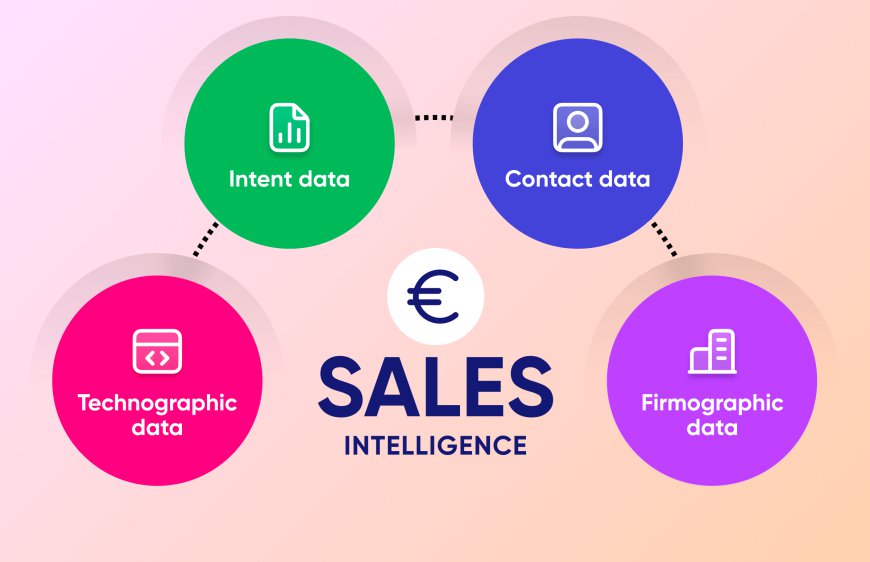
How to Use Multidata Hub for B2B Prospecting is an important question for sales and marketing teams that want to make business research more organized and targeted. B2B prospecting involves identifying companies that could benefit from a product or service, finding relevant professionals within those companies, and deciding which opportunities deserve further attention. Without a structured process, sales representatives can spend significant time searching for basic information.
How to Use Multidata Hub for B2B Prospecting becomes clearer when B2B data is treated as a starting point rather than the final stage of the sales process. Businesses can use relevant company and professional information to define target accounts, build prospect lists, segment audiences, and support account research. The effectiveness of this approach depends on data quality, clear targeting criteria, verification, and the ability of salespeople to turn information into relevant conversations.
What Is B2B Prospecting?
B2B prospecting is the process of identifying potential business customers and determining whether they may be suitable for a company's products or services.
A prospect is not automatically B2B Lead Generation or customer. A company may match basic criteria but have no current need, budget, authority, or purchasing plans.
Effective prospecting therefore involves several stages:
- Define the ideal customer.
- Identify suitable companies.
- Find relevant professional roles.
- Research the account.
- Verify important information.
- Qualify the opportunity.
- Begin appropriate outreach.
- Measure the results.
B2B data can support several of these steps, particularly account discovery and initial research.
Step 1: Define Your Ideal Customer Profile
Before using any business data resource, determine what a good prospect looks like.
An ideal customer profile can include:
- Industry
- Geographic market
- Company size
- Business type
- Revenue range, where available
- Relevant departments
- Professional roles
- Potential business needs
For example, a company selling warehouse management software might target manufacturers and distributors with established warehouse operations.
This definition prevents the sales team from collecting large numbers of unrelated companies.
Separate Must-Have and Nice-to-Have Criteria
Not every characteristic should carry the same weight.
A company might require prospects to operate in a particular industry and region while considering company size as a secondary factor.
This makes account prioritization more practical.
Step 2: Identify Target Companies
Once the ideal customer profile is defined, use relevant B2B information to identify organizations that appear to match it.
For example, suppose a cybersecurity provider wants to target financial services businesses in selected markets.
The sales team can begin by identifying companies that meet the industry and geographic requirements.
This creates an initial account universe for further research.
Focus on Relevance, Not Volume
A common prospecting mistake is measuring success by the number of contacts collected.
A list of 5,000 poorly matched contacts may be less valuable than a list of 300 companies that closely fit the ideal customer profile.
The objective should be qualified opportunities, not database size.
Step 3: Find Relevant Professional Roles
After identifying target companies, determine which people or departments may be involved in purchasing decisions.
The appropriate role depends on the product or service.
For example:
- HR software may involve human resources leaders.
- Cybersecurity products may involve IT or security professionals.
- Procurement technology may involve purchasing teams.
- Financial software may involve finance professionals.
- Manufacturing solutions may involve operations or production leaders.
B2B data can help sales teams narrow their research to potentially relevant professional roles.
Step 4: Build and Organize Prospect Lists
A well-organized prospect list makes it easier to manage sales activity.
Businesses can categorize accounts according to:
- Industry
- Location
- Company size
- Account priority
- Professional role
- Sales territory
- Customer segment
For example, a sales manager could create separate account groups for high-priority enterprise prospects, mid-market accounts, and smaller businesses.
This organization helps representatives determine where to focus their time.
Step 5: Research Each Important Account
Business data should not replace account research.
Once a company has been identified, sales representatives should investigate its business activities, market position, recent developments, and potential challenges.
For high-value accounts, this additional research can make outreach more relevant.
A database may tell a salesperson what industry a company operates in. Company websites, public announcements, industry publications, and other sources may reveal why that company could be interested in a particular solution.
Step 6: Verify Important Information
Business information can change.
Employees move between organizations. Companies relocate. Organizations merge, change names, or close operations.
For this reason, important records should be verified before they are used for significant sales campaigns.
Verification may involve checking the company's official website, professional information, public business sources, or other reliable references.
Why Verification Matters
Incorrect contact information can lead to:
- Failed communication
- Wasted sales time
- Poor customer experiences
- Incorrect segmentation
- Reduced campaign efficiency
Data quality should therefore be considered part of the prospecting process.
Step 7: Qualify Prospects
Not every account that matches the ideal customer profile is ready for sales outreach.
Qualification helps determine whether a prospect is worth pursuing.
Sales teams can consider:
Business Fit
Does the company actually match the target market?
Potential Need
Does the business appear likely to experience a problem that the product can solve?
Authority
Have you identified people who may influence or participate in the purchasing process?
Timing
Is there a reasonable possibility that the organization could evaluate a solution within the relevant sales cycle?
Commercial Potential
Would the opportunity justify the amount of sales effort required?
These questions help separate basic prospects from stronger opportunities.
Step 8: Personalize Outreach
The next stage is communication.
B2B data can provide the foundation for personalization, but the message should focus on the prospect's business context rather than simply inserting a name or job title.
For example, a generic message might promote a software product.
A more relevant message could refer to an operational challenge common among companies in the prospect's industry and explain how the solution addresses it.
Personalization should be based on legitimate business information and should remain professional and appropriate.
Step 9: Coordinate Sales and Marketing
Multidata Hub's B2B data can also support coordination between sales and marketing teams.
Marketing can use account information to create segments and campaigns, while sales can use the same targeting criteria for account research.
Both teams can agree on:
- Target industries
- Company-size ranges
- Geographic markets
- Relevant professional roles
- Priority accounts
- Lead qualification standards
Shared definitions reduce confusion and create a more consistent prospecting process.
Practical Benefits of Using B2B Data for Prospecting
More Focused Account Discovery
Sales teams can search for organizations based on defined business characteristics rather than relying entirely on random discovery.
Reduced Repetitive Research
Structured information can reduce some of the manual work involved in collecting basic company details.
Better Prospect Segmentation
Teams can organize accounts according to factors that matter to their sales strategy.
Improved Prioritization
Relevant information can help sales managers determine which accounts deserve deeper research.
Support for New Market Research
Companies expanding into new industries or regions can use B2B information to identify potential organizations for further investigation.
Common Challenges and Considerations
Data Accuracy
No business dataset should be assumed to be permanently accurate. Regular verification is important.
Data Completeness
Different businesses require different fields. Determine which information is essential to your prospecting process before evaluating a data source.
Overreliance on Data
A database cannot tell you everything about a company. Human research remains important, particularly for strategic accounts.
Poor Customer Targeting
If the ideal customer profile is unclear, even high-quality data can produce an ineffective prospect list.
Responsible Data Use
Companies should comply with applicable privacy, data protection, and marketing requirements when handling and using professional information.
Frequently Asked Questions
1. How can Multidata Hub support B2B prospecting?
It can serve as a B2B data resource for identifying potential companies, researching professional roles, organizing prospect lists, and supporting account and market research.
2. What should I do before searching for prospects?
Define your ideal customer profile first. Establish the industries, locations, company sizes, business types, and professional roles that are most relevant to your product.
3. Does every contact found through B2B data qualify as a lead?
No. A contact is only a potential prospect. Sales teams should evaluate company fit, business need, purchasing authority, timing, and commercial potential.
4. Why should prospect information be verified?
Business information changes regularly. Verification helps reduce inaccurate records, failed outreach, and wasted sales resources.
5. Can marketing teams use the same B2B data?
Yes. Marketing teams can use relevant business information for segmentation, account-based marketing, campaign planning, market research, and lead-generation activities.
Conclusion
How to Use Multidata Hub for B2B Prospecting is ultimately about creating a structured process for finding and evaluating potential business customers. The most effective approach begins with a clear ideal customer profile and then uses relevant B2B information to identify target accounts and professional roles.
From there, sales teams should organize prospects, conduct account research, verify important information, qualify opportunities, and develop appropriate outreach. Data can make the discovery process more organized, but it does not replace human judgment or relationship building.
Businesses should also measure the results of their prospecting efforts. If certain industries, company sizes, or markets consistently generate qualified opportunities, those segments can receive greater attention. If a segment performs poorly, the targeting criteria can be adjusted.
Used this way, Multidata Hub can form part of a practical B2B prospecting workflow that helps sales and marketing teams focus their time on relevant accounts rather than simply collecting large volumes of contacts.